
Anúncios
Achieving the perfect fit in clothing transforms your appearance, boosts confidence, and ensures all-day comfort without the frustrations of distortion or awkward adjustments.
🎯 Why Perfect Fit Matters More Than You Think
The foundation of impeccable style isn’t found in designer labels or trending pieces—it’s rooted in how your clothes actually fit your unique body. When garments fit properly, they create clean lines, flatter your silhouette, and move with you rather than against you. Conversely, poorly fitting clothes can distort your proportions, create unflattering bulges, and leave you constantly tugging, adjusting, and feeling uncomfortable throughout the day.
Perfect fit goes beyond simple measurements. It encompasses how fabric drapes on your frame, where seams align with your natural body lines, and how garments accommodate your movements. When you master the art of proper fit, you unlock a wardrobe that works effortlessly, regardless of whether you’re wearing budget-friendly basics or investment pieces.
Understanding Common Fit Distortions and Their Causes
Recognizing fit distortions is the first step toward eliminating them from your wardrobe. These issues manifest in various ways, each pointing to specific sizing or construction problems that compromise both style and comfort.
Pulling and Stress Lines Across Fabric
Horizontal lines pulling across your chest, back, or hips indicate that the garment is too tight in those areas. These stress lines, often called “smile lines” or “drag lines,” occur when fabric is stretched beyond its intended drape. They not only look unflattering but also accelerate wear and tear on your clothing. This distortion commonly appears in button-up shirts sized too small or pants with insufficient hip room.
Excess Fabric Bunching and Pooling
When garments are too large, fabric gathers in unsightly ways—bunching at the waist, pooling at the ankles, or creating excess material around the shoulders. This distortion adds visual bulk to your frame and creates a sloppy appearance that undermines even the most expensive pieces. The solution often involves sizing down or seeking alterations to remove excess fabric strategically.
Seam Misalignment Issues
Shoulder seams that fall too far down your arm or ride too high near your neck indicate improper fit in the garment’s structure. Similarly, side seams that twist toward the front or back of your body reveal sizing inconsistencies. These structural distortions are particularly noticeable in tailored pieces like blazers, dress shirts, and structured dresses.
Body Mapping: Your Blueprint for Perfect Fit 📐
Understanding your body’s unique measurements and proportions provides the foundation for selecting properly fitting clothes. Body mapping goes beyond simple chest, waist, and hip measurements to include critical details that affect how garments hang and move on your frame.
Essential Measurements You Need to Know
Start by recording your chest/bust, waist, hips, inseam, outseam, shoulder width, arm length, and rise measurements. For women, additional measurements include high bust, under bust, and the distance from shoulder to apex. Men should note their neck circumference and jacket length preference. These measurements serve as your personal reference guide when shopping in-store or online.
Beyond numbers, identify your body shape category—whether hourglass, rectangle, triangle, inverted triangle, or oval. This classification helps you understand which styles naturally complement your proportions and which require strategic adjustments. Remember that most people combine elements from multiple categories, so approach this as a flexible guideline rather than a rigid rule.
Proportion Analysis for Strategic Styling
Examine the relationship between your torso length and leg length, your shoulder width relative to your hips, and how your weight distributes across your frame. These proportional relationships determine which silhouettes create visual balance and which accentuate areas you’d prefer to downplay. A longer torso benefits from higher-waisted bottoms, while broader shoulders balance beautifully with slightly wider-leg pants.
Fabric Behavior and Its Impact on Fit Quality
Not all fabrics behave the same way on the body, and understanding these differences prevents common fit distortions. The fiber content, weave structure, and weight all influence how a garment drapes, stretches, and maintains its shape throughout wear.
Natural vs. Synthetic Fiber Characteristics
Natural fibers like cotton, linen, wool, and silk generally breathe better and conform to your body temperature, but they may stretch out during wear and require more frequent washing. Synthetics like polyester, nylon, and acrylic hold their shape more consistently but can trap heat and moisture. Blended fabrics attempt to balance these qualities, offering the breathability of natural fibers with the shape retention of synthetics.
Stretch fabrics containing spandex or elastane provide comfort and movement but require careful attention to fit. Too much stretch in the wrong places creates sagging and distortion, while the right amount of stretch enhances comfort without compromising structure. Look for fabrics with 2-5% elastane for dress pants and 5-10% for activewear and jeans.
Drape, Structure, and Movement Considerations
Lightweight fabrics with fluid drape like silk charmeuse or rayon require different fitting strategies than structured materials like denim or twill. Drapey fabrics forgive slight sizing variations but may cling to areas you’d prefer to skim over. Structured fabrics provide more shape control but show fit distortions more obviously when sizing is incorrect.
The Strategic Sizing Approach for Every Garment Type 👔
Different clothing categories require distinct fitting priorities. A perfectly fitted shirt demands different attention points than properly fitted pants, and understanding these nuances eliminates most common distortions.
Shirts and Tops: Shoulder, Chest, and Length
The shoulder seam should sit precisely at the edge of your shoulder bone—not drooping down your arm or pulling toward your neck. The chest should allow enough room to pinch approximately one to two inches of fabric away from your body when wearing the garment buttoned. Sleeve length should end at your wrist bone, with cuffs sitting at the base of your thumb. The shirt length should cover your waistband completely when you raise your arms but shouldn’t extend so long that it creates excess bulk when tucked.
For women’s tops, ensure the bust area provides adequate room without gaping between buttons. The hem should hit at a flattering point on your body—either at the hipbone, mid-hip, or just below the hip, depending on your proportions and the style.
Pants and Bottoms: Rise, Waist, and Leg Proportions
The rise—the distance from the crotch seam to the waistband—dramatically affects comfort and appearance. Low-rise pants sit below your natural waist, mid-rise at your hip bones, and high-rise at or above your natural waist. Choose based on your torso length and personal comfort preferences. The waistband should fit snugly without creating muffin-top bulging or requiring a belt to stay in place.
Leg width should balance your overall proportions. Wider hips typically look more balanced with straight or slightly wider legs, while narrower frames can wear skinny styles more easily. The inseam length depends on the shoe style you’ll wear—pants should break slightly at the shoe for dress styles, sit just above the shoe for cropped looks, or pool slightly for full-length casual wear.
Dresses and One-Piece Garments
Dresses present unique fitting challenges because they must accommodate multiple body areas simultaneously. Pay attention to shoulder fit, bust accommodation, waist placement, and overall length. The waistline of the dress should align with your natural waist or sit deliberately higher or lower as a design feature. Misaligned waists create the most obvious distortions in dress fit.
For fitted dresses, ensure adequate ease through the hips and thighs—you should be able to sit comfortably without fabric straining. For flowing styles, check that the dress skims rather than clings to areas you’d prefer to minimize.
Alteration Magic: When and How to Modify 🪡
Even the most perfectly sized ready-to-wear garments often benefit from minor alterations. Understanding which modifications deliver the best value helps you build a wardrobe of impeccably fitted pieces without breaking your budget.
Simple Alterations Worth Every Penny
Hemming pants and sleeves represents the most common and affordable alteration. This simple adjustment transforms the proportions of a garment dramatically. Taking in or letting out waistbands comes in second, followed by tapering legs or sleeves for a more custom silhouette. These modifications typically cost between $10-30 and significantly improve how garments fit and flatter your body.
Complex Modifications to Consider Carefully
Altering shoulders, resizing garments by more than two sizes, or completely restructuring pieces becomes expensive quickly. Before investing in major alterations, calculate whether the total cost (garment plus alterations) exceeds what you’d pay for a better-fitting alternative. Generally, reserve extensive alterations for high-quality pieces, special occasion wear, or items with sentimental value.
DIY Fit Adjustments You Can Master
Learning basic sewing skills empowers you to make minor adjustments yourself. Hemming with fabric tape, adding or removing belt loops, replacing buttons with better-positioned ones, and taking in side seams are all beginner-friendly alterations that require minimal equipment. Online tutorials and sewing apps make learning these skills more accessible than ever.
Shopping Strategies for Better Fit From the Start 🛍️
Preventing fit issues begins at the point of purchase. Strategic shopping habits reduce the likelihood of bringing home garments that require extensive alterations or ultimately go unworn.
The Fitting Room Protocol
Always try garments on before purchasing, even if you’re familiar with the brand. Sizing varies significantly between manufacturers and even between different lines within the same brand. Wear appropriate undergarments and shoes similar to what you’d pair with the item. Move around in the fitting room—sit, raise your arms, bend forward—to test how the garment performs during actual wear.
Examine the garment in multiple lighting conditions and angles. Fitting room mirrors often use flattering angles and lighting that don’t reflect how you’ll see yourself in everyday situations. If possible, take a photo to review later with fresh eyes.
Online Shopping Fit Considerations
When shopping online, scrutinize size charts carefully and measure yourself regularly, as your dimensions may change over time. Read customer reviews specifically for fit insights—comments about whether items run large, small, or true to size prove invaluable. Look for retailers with generous return policies that make sending back poorly fitting items straightforward.
Some online retailers now offer virtual fitting tools or apps that use your measurements to predict fit. While not perfect, these technologies continue improving and provide helpful guidance when you can’t try items on physically.
Building Your Perfectly Fitted Capsule Wardrobe ✨
A well-fitted capsule wardrobe delivers maximum style impact with minimum pieces. By focusing on fit quality over quantity, you create a collection where everything works together seamlessly and makes you feel confident.
Foundation Pieces That Demand Perfect Fit
Invest the most time and resources into achieving perfect fit for your foundation pieces: well-fitted jeans in your preferred style, classic white and neutral shirts, a blazer that fits like it was made for you, and a little black dress or versatile suit. These pieces form the backbone of countless outfits, so their fit quality disproportionately affects your overall style success.
Statement Pieces Where Fit Flexibility Works
Oversized sweaters, flowing maxi dresses, loose cardigans, and deliberately boxy jackets intentionally incorporate relaxed fit as a design element. These pieces offer more sizing flexibility and provide visual contrast when paired with your perfectly fitted foundations. However, even intentionally oversized pieces should fit deliberately—not look like you grabbed the wrong size accidentally.
Maintaining Proper Fit Over Time
Achieving perfect fit represents only half the battle—maintaining that fit as garments age and your body changes requires ongoing attention and care.
Garment Care That Preserves Fit
Follow care instructions meticulously to prevent shrinkage, stretching, and distortion. Wash clothes in cold water when possible, avoid over-drying, and use proper hangers that support shoulder seams without stretching them. Store heavy knits folded rather than hung to prevent shoulder dimples and stretching. Rotate your wardrobe regularly to prevent excessive wear on favorite pieces.
Body Changes and Wardrobe Adaptation
Your body will change throughout your life due to aging, fitness routines, health conditions, and natural fluctuations. Rather than forcing yourself into garments that no longer fit properly, reassess your measurements periodically and adjust your wardrobe accordingly. Keeping one to two sizes in your closet provides flexibility for minor fluctuations, but when changes become more significant, honor your current body by wearing clothes that fit it well now.
The Confidence Factor: How Proper Fit Transforms Your Presence
Beyond the technical aspects of measurements and alterations, perfect fit delivers profound psychological benefits. When your clothes fit properly, you stop thinking about your appearance and start simply living in comfort and confidence.
Well-fitted garments eliminate constant adjustments—no more tugging at too-tight waistbands, pulling down riding-up hems, or adjusting falling shoulder seams. This physical comfort translates directly into mental freedom, allowing you to focus on your activities, conversations, and goals rather than your wardrobe malfunctions.
The visual impact of proper fit cannot be overstated. Clothes that fit well create clean lines that flatter your natural shape, making you appear more polished and put-together regardless of whether you’re wearing designer pieces or budget-friendly basics. This elevated appearance often opens doors professionally and socially, as people respond positively to the confidence and attention to detail that perfect fit projects.
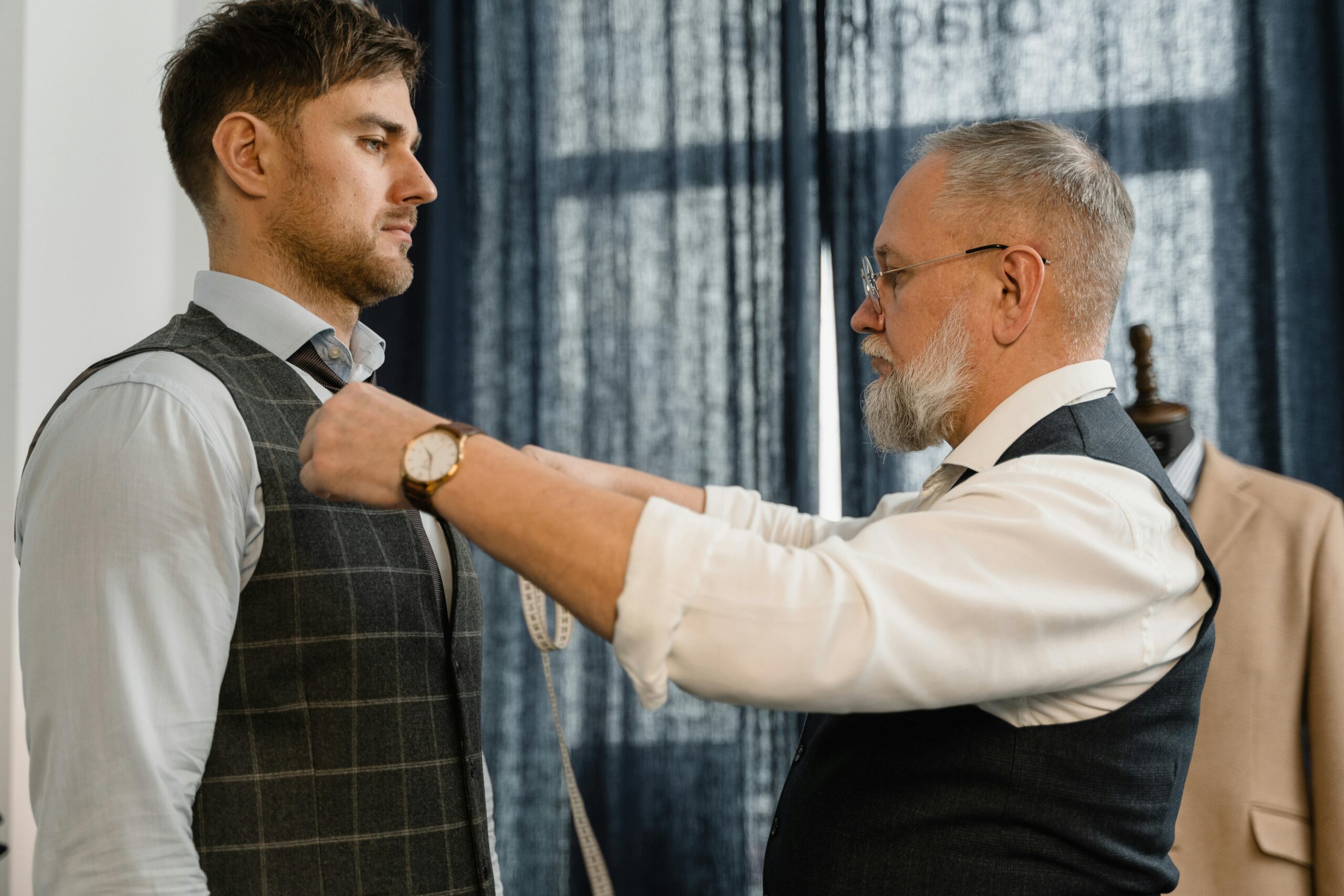
Your Action Plan for Flawless Fit Starting Today 📋
Transforming your wardrobe from hit-or-miss to consistently well-fitted requires a systematic approach. Start by auditing your current closet, identifying which pieces fit perfectly and which create distortions. Set aside items that can be improved with simple alterations and donate or sell those beyond repair.
Take your measurements accurately and record them for future reference. When shopping, prioritize fit over trends or brands, and never buy something that doesn’t fit properly simply because it’s on sale or from a coveted designer. Develop relationships with a reliable tailor for alterations and learn basic sewing skills for minor adjustments.
Remember that perfect fit looks different on every body. Reject one-size-fits-all beauty standards and instead focus on what makes you feel comfortable, confident, and authentically yourself. The goal isn’t to fit your body into clothes—it’s to find clothes that fit your unique, wonderful body exactly as it is today.
With these strategies, you’ll master the perfect fit, eliminate distortions, and build a wardrobe that delivers flawless style and comfort every single day. Your clothes should work for you, enhancing your life rather than complicating it. When fit becomes a priority, everything else—style, confidence, and comfort—falls beautifully into place.
