
Anúncios
Strategic tailoring transforms ordinary garments into extraordinary wardrobe pieces that enhance your silhouette, boost confidence, and communicate professionalism through precision and personal style.
The difference between wearing clothes and owning your look often comes down to fit. While ready-to-wear garments serve as convenient starting points, they rarely account for individual body proportions, posture variations, or personal style preferences. Strategic tailoring bridges this gap, turning off-the-rack pieces into custom-fitted investments that reflect your unique aesthetic while maximizing comfort and visual impact.
Understanding the transformative power of expert tailoring isn’t just about vanity—it’s about recognizing that proper fit affects how you move, how others perceive you, and ultimately, how you feel in your own skin. Whether you’re building a professional wardrobe, curating casual essentials, or preparing for special occasions, mastering the fundamentals of strategic tailoring elevates every aspect of your personal presentation.
🎯 The Foundation: Understanding Body Proportions and Fit Principles
Before stepping into a tailor’s studio, developing a clear understanding of your body type and proportions provides invaluable direction. Strategic tailoring begins with honest assessment—not criticism, but recognition of what makes your physique unique.
Your shoulder width, torso length, arm length, rise measurement, and leg proportions all influence how garments should be adjusted. A jacket that fits perfectly across the shoulders but bunches at the waist needs different alterations than one that’s too tight in the chest but appropriate everywhere else.
Professional tailors distinguish between structural alterations and cosmetic adjustments. Structural changes involve modifying core construction elements like shoulder seams, armholes, or jacket length—modifications that require significant skill and often aren’t cost-effective on inexpensive garments. Cosmetic adjustments include hemming, tapering, taking in or letting out seams, and adjusting sleeve length—alterations that dramatically improve fit without reconstructing the garment.
Key Body Measurements Every Style-Conscious Person Should Know
Knowing your precise measurements empowers informed shopping decisions and clearer communication with tailoring professionals. Essential measurements include:
- Chest circumference: Measured at the fullest part of your chest, typically just under the arms
- Waist measurement: Taken at your natural waistline, not where your pants sit
- Hip measurement: Around the fullest part of your hips and buttocks
- Shoulder width: From one shoulder point to the other across the back
- Sleeve length: From shoulder seam to where you want the cuff to end
- Inseam: From crotch seam to desired hem length
- Rise: From waistband to crotch seam, affecting how pants sit on your body
These measurements fluctuate with weight changes, muscle development, and aging. Updating them annually ensures your tailoring remains accurate and your wardrobe fits consistently well.
👔 Mastering Jacket and Blazer Alterations
Jackets and blazers represent the most complex tailoring challenges and the most dramatic transformation opportunities. A perfectly fitted jacket creates structure, enhances posture, and serves as the foundation of countless outfits.
The shoulder fit determines everything else about a jacket. If shoulders don’t align properly—with seams sitting precisely where your natural shoulder ends—no amount of additional tailoring can compensate. This is why trying on jackets with attention to shoulder fit should be your first priority when shopping.
Once shoulders fit correctly, focus shifts to other key areas. The jacket length should hit at a point that balances your proportions—typically covering your seat but not extending beyond. For taller individuals, slightly longer jackets maintain proportion; for shorter frames, shorter cuts prevent overwhelming your silhouette.
Critical Jacket Fit Points
The collar should lie flat against your shirt collar without gaping at the back of your neck. A gap indicates the jacket is either too large overall or requires adjustment to the back collar area—a modification skilled tailors can perform.
Sleeve length matters more than many realize. Jacket sleeves should end at your wrist bone, allowing approximately half an inch of shirt cuff to show. This small detail signals attention to fit and creates visual continuity between jacket and shirt.
The button stance—where the jacket naturally wants to close—affects your entire torso appearance. If the jacket pulls or creates an “X” shape when buttoned, it’s too tight and needs letting out at the waist. If excess fabric pools around the button, suppression (taking in the sides) creates a cleaner line.
Vents (the slits at the jacket’s bottom) should hang straight when you’re standing naturally. If they splay open, the jacket is too tight across the hips or seat and requires adjustment.
👖 Perfecting Trouser and Pant Fit
Pants might seem simpler than jackets, but achieving the perfect fit requires equal attention to detail. The rise, seat, waist, and leg taper all contribute to comfort, movement, and visual appeal.
The rise—how high or low pants sit on your body—fundamentally affects comfort and style. Low-rise pants create a modern, casual silhouette but can be uncomfortable when sitting. Mid-rise options balance contemporary style with practicality. High-rise trousers, experiencing renewed popularity, elongate legs and provide superior comfort for many body types.
Your tailor can adjust the waist through multiple methods. Taking in or letting out the center back seam works for minor adjustments (typically up to two inches). More significant changes might require taking in or letting out side seams or even adding/removing fabric—alterations that affect pocket placement and overall pant balance.
Achieving the Ideal Leg Silhouette
Leg taper dramatically influences your pants’ overall aesthetic. A straight leg maintains consistent width from hip to hem, creating a classic, versatile look. Tapered legs gradually narrow toward the ankle, offering a contemporary silhouette that works particularly well with sneakers or slim dress shoes. Wide legs provide dramatic flair and can balance broader upper bodies.
The break—how much fabric pools on your shoes—represents personal preference within certain parameters. A full break (significant fabric pooling) looks traditional and works with formal shoes. A medium break (slight fabric touch) offers versatility. No break (pants ending at the shoe top) creates a modern, clean line preferred in contemporary styling.
Hem type matters too. Plain hems suit most casual and business casual contexts. Cuffs add weight to the hem, helping pants hang better while adding a traditional, polished element. Generally, cuffs work best on fuller-cut trousers rather than slim, tapered styles.
👕 Shirt Tailoring: The Often-Overlooked Game-Changer
Many people invest in jacket and pant alterations while overlooking shirt fit, yet shirts form the foundation of most outfits and directly contact your skin throughout the day. Strategic shirt tailoring enhances comfort while creating a refined appearance.
The collar should fit comfortably when buttoned, allowing one to two fingers between collar and neck. Too tight restricts breathing and creates discomfort; too loose looks sloppy and doesn’t support a tie properly.
Shoulder seams should sit at the edge of your shoulder, similar to jackets. Seams that droop down your arm create a baggy appearance and restrict movement. Seams that sit too far inward feel tight and pull across the chest and back.
Across the chest and back, you should be able to pinch about two inches of excess fabric on each side when wearing the shirt. More than that creates billowing; less than that restricts movement and creates pulling.
Sleeve and Torso Adjustments
Sleeve length for dress shirts should allow about half an inch of cuff to extend beyond your jacket sleeve when wearing both together. For shirts worn alone, sleeves typically end at the wrist bone or slightly beyond.
Torso suppression—taking in the sides of a shirt—transforms boxy, shapeless garments into fitted pieces that complement your physique. This alteration is particularly valuable for off-the-rack shirts, which typically accommodate a range of body types by erring on the larger side.
Shirt length depends on wearing style. Shirts worn tucked should extend approximately six to eight inches below your waistband, providing enough length to stay tucked during movement. Shirts designed to wear untucked should end around mid-fly, covering your waistband without excessive length.
💼 Building a Relationship with Your Tailor
Finding a skilled tailor represents one of the best investments in your personal style. Like any professional relationship, clear communication and mutual understanding develop over time.
When meeting a new tailor, bring garments that need alteration along with examples (if possible) of fits you admire. Visual references help tailors understand your aesthetic preferences beyond basic measurements.
During fittings, wear the shoes and undergarments you’ll typically pair with the garment being altered. Shoe heel height affects pant hem length, and different undergarments change how clothing drapes on your body.
Communication Strategies for Better Results
Be specific about concerns while remaining open to professional advice. If something feels uncomfortable or looks off, describe exactly what bothers you. A good tailor can identify whether the issue stems from fit, fabric, or expectations that might not align with the garment’s potential.
Ask questions about what’s possible and what’s recommended. Not every alteration makes sense—some cost-benefit ratios don’t justify the work, particularly on less expensive garments. Tailors can guide you toward modifications that deliver the most impact for your investment.
Discuss pricing upfront. Alteration costs vary based on garment complexity, fabric difficulty, and regional pricing differences. Understanding costs before committing prevents uncomfortable surprises.
Allow adequate time for alterations. Rush jobs increase costs and may compromise quality. For important events, begin the tailoring process at least three to four weeks in advance, allowing time for multiple fittings if necessary.
🎨 Strategic Tailoring for Different Style Objectives
Your tailoring approach should align with your style goals, lifestyle needs, and the specific contexts where you’ll wear garments.
Professional environments typically benefit from classic, conservative fits that communicate competence and attention to detail without drawing excessive attention. Modest tapers, traditional jacket lengths, and classic shirt fits project authority while remaining appropriate across various business settings.
Creative industries often allow more experimental silhouettes. Pronounced tapers, cropped lengths, and distinctive details express personality while maintaining polish. Tailoring in these contexts balances individuality with occasion-appropriate professionalism.
Casual and Weekend Wardrobe Tailoring
Casual garments benefit from tailoring too. Well-fitted jeans, adjusted casual jackets, and tailored casual shirts elevate weekend style without feeling overdone. The key difference lies in maintaining relaxed proportions—slightly looser fits that preserve comfort while eliminating sloppiness.
Outerwear presents unique tailoring opportunities. Coat sleeve length, shoulder fit, and overall length dramatically affect both function and appearance. A coat that’s too long overwhelms your frame; too short looks awkward and may not provide adequate coverage.
📏 When to Tailor Versus When to Keep Shopping
Not every garment deserves tailoring investment. Understanding when alterations make sense versus when you should continue shopping saves money and delivers better results.
Shoulders remain the critical decision point. If shoulders don’t fit properly, alterations become expensive and often unsuccessful. Better to keep searching for the right starting point than to force an unsuitable garment to work.
Similarly, garments requiring extensive structural changes—moving buttons, reconstructing darts, completely reshaping silhouettes—often cost more than the original purchase price. These modifications make sense for high-quality, expensive pieces but rarely justify costs on budget items.
Simple alterations—hemming, basic tapering, waist adjustments, and sleeve length changes—make sense on most garments worth wearing more than a few times. These modifications typically cost $15-$50 per alteration and dramatically improve fit and appearance.
Calculating Tailoring ROI
Consider the garment’s overall quality, how frequently you’ll wear it, and the total cost including alterations. A $200 jacket that requires $75 in tailoring but that you’ll wear weekly for years represents excellent value. A $40 shirt requiring $60 in alterations rarely makes financial sense.
For special occasion garments—wedding attire, formal wear, important interview outfits—tailoring investment often exceeds typical cost-benefit ratios because the stakes justify the expense. Looking your absolute best for significant life events carries value beyond simple dollars and cents.
✨ Advanced Tailoring Considerations
Once you’ve mastered basic alterations, exploring advanced tailoring concepts takes your wardrobe to the next level.
Functional details like working buttonholes, functioning sleeve buttons, and proper pocket construction distinguish high-quality garments from basic ones. While tailors can add these elements, they significantly increase costs. When shopping, prioritize garments with these details already present if they matter to your aesthetic.
Lining adjustments affect comfort and durability. Adding lining to unlined jackets increases structure and longevity. Replacing worn lining breathes new life into quality garments. Removing lining creates a more casual, lighter-weight piece suitable for warmer climates.
Preserving and Updating Existing Pieces
Strategic tailoring extends beyond new purchases to wardrobe pieces you already own. As trends evolve and your body changes, updating existing garments through thoughtful alterations maximizes wardrobe value.
Narrowing wide-leg trousers, shortening hem lengths, adjusting jacket sleeves, or suppressing torsos transforms dated pieces into current favorites. This approach supports sustainable fashion practices while optimizing your investment in quality garments.
Vintage and secondhand pieces particularly benefit from strategic tailoring. Older garments often feature superior construction and fabrics but require updating to fit modern bodies and preferences. Skilled alterations bridge the gap between vintage charm and contemporary fit.
🔄 Maintaining Your Tailored Wardrobe
Proper care preserves your tailoring investment and extends garment lifespan. Quality tailoring deserves quality maintenance.
Follow care labels religiously, particularly for tailored pieces. Dry cleaning when recommended prevents shrinkage, color fading, and fabric damage that can undo precise alterations. For washable tailored items, use gentle cycles and avoid high heat that can alter fabric dimensions.
Store tailored garments properly. Jackets and structured pieces belong on quality hangers that support shoulder shape. Trousers should hang from the cuffs or fold carefully to preserve creases. Avoid wire hangers that distort shoulder lines and create permanent damage.
Address minor repairs immediately. Loose buttons, small tears, and opening seams worsen quickly when ignored but remain simple fixes when caught early. Many tailors offer minor repair services at minimal cost, preventing small issues from becoming major problems.
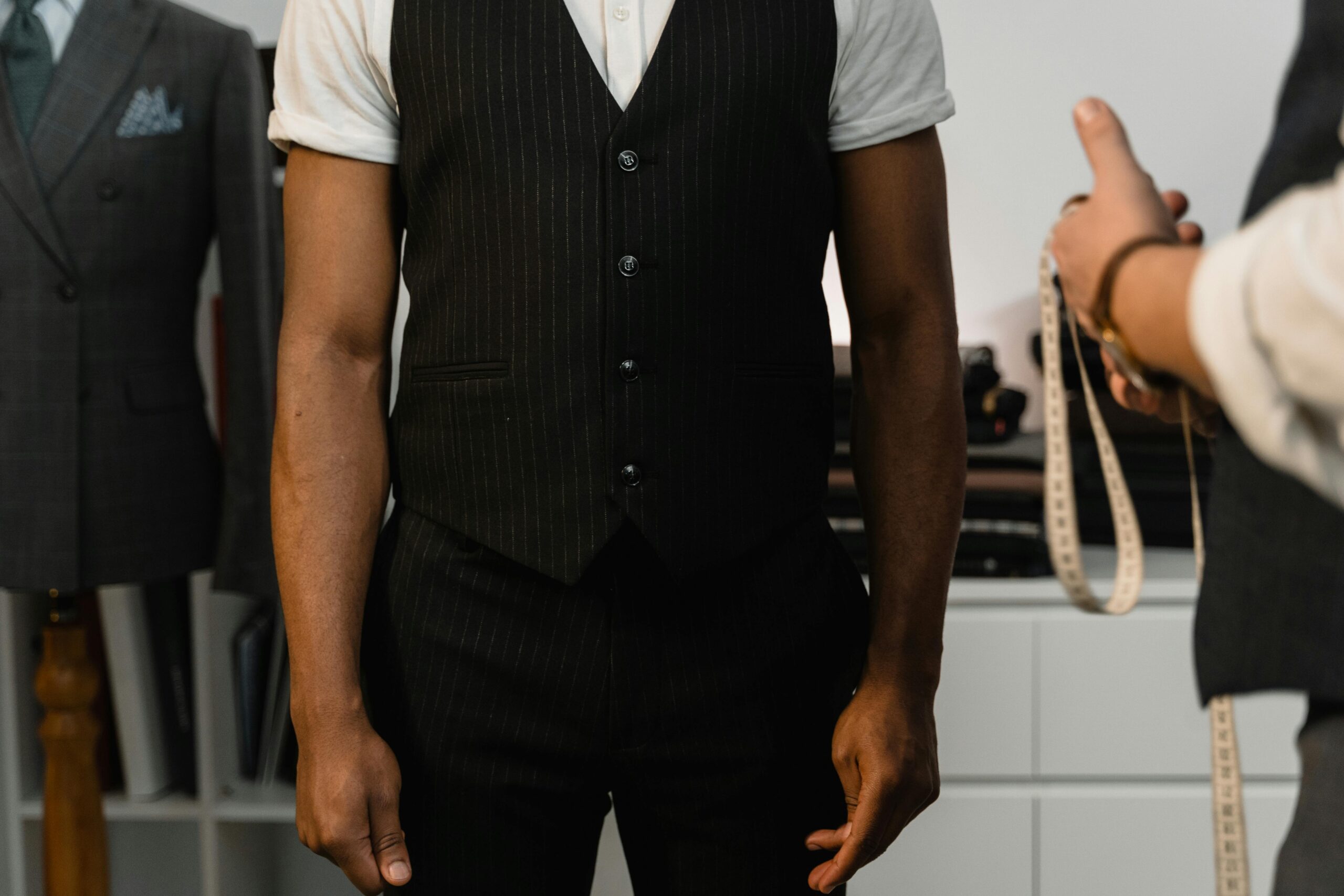
🌟 The Confidence Factor: How Perfect Fit Transforms Presence
Beyond aesthetics and comfort, strategic tailoring profoundly impacts how you carry yourself. Clothes that fit perfectly require no adjustment, no tugging, no self-consciousness about appearance. This freedom allows complete focus on the moment rather than wardrobe concerns.
Psychological research confirms that clothing affects cognition, behavior, and self-perception—a phenomenon called “enclothed cognition.” Well-fitted garments enhance confidence, improve posture, and positively influence how others perceive and respond to you.
In professional contexts, proper fit signals competence, attention to detail, and respect for occasion and audience. In social settings, it communicates self-awareness and personal investment. Across all contexts, strategic tailoring helps ensure your appearance aligns with your capabilities and character.
The journey toward mastering strategic tailoring represents an ongoing evolution rather than a destination. As your body changes, your style matures, and fashion evolves, your approach to fit and tailoring will adapt accordingly. The fundamental principles remain constant: understand your body, communicate clearly with skilled professionals, invest strategically in alterations that deliver meaningful impact, and recognize that perfect fit transforms not just appearance but confidence and presence. With these expert approaches guiding your decisions, every garment becomes an opportunity to express your best self through precision, polish, and personal style that fits—in every sense of the word.
