
Anúncios
Achieving a defined waist is more than aesthetics—it’s about building core strength, improving posture, and embracing techniques that sculpt your natural silhouette beautifully.
Understanding Your Waist Anatomy and Natural Shape 🧬
Before diving into sculpting techniques, it’s essential to understand what creates waist definition. Your waist is the narrowest part of your torso, typically located above your navel and below your ribcage. The muscles surrounding this area include the rectus abdominis, external and internal obliques, and the transverse abdominis.
Your natural body shape—whether you’re an hourglass, pear, apple, or rectangle—influences how your waist appears. Genetics play a significant role in fat distribution and bone structure, but targeted exercises and lifestyle modifications can enhance definition regardless of your starting point.
The core muscles work synergistically to stabilize your spine, support movement, and create that coveted sculpted appearance. When strengthened and properly engaged, these muscles pull inward, creating a natural corset effect that emphasizes your waistline.
Targeted Exercises for Maximum Waist Definition 💪
The foundation of waist sculpting lies in strategic exercise selection. While spot reduction is impossible, specific movements activate the muscles responsible for creating definition and tightening your midsection.
Oblique-Focused Movements for Lateral Definition
Your obliques are the key to creating that enviable tapered waist. Side planks engage these muscles intensely while also activating your entire core. Hold the position for 30-60 seconds on each side, ensuring your body forms a straight line from head to heels.
Russian twists provide dynamic oblique engagement. Sit with knees bent, lean back slightly, and rotate your torso from side to side while holding a weight or medicine ball. The rotational movement directly targets the obliques, building strength and definition.
Bicycle crunches combine upper body rotation with lower body movement, activating both obliques and rectus abdominis. Perform these with controlled, deliberate movements rather than rushing through repetitions for maximum muscle engagement.
Transverse Abdominis Activation Techniques
The transverse abdominis acts as your body’s natural weight belt. Vacuum exercises specifically target this deep muscle layer. Stand or kneel, exhale completely, then pull your belly button toward your spine and hold for 10-20 seconds. This exercise can be performed daily and yields remarkable results.
Dead bugs strengthen the transverse abdominis while improving coordination. Lie on your back with arms extended toward the ceiling and legs raised at 90 degrees. Lower opposite arm and leg simultaneously while keeping your lower back pressed to the floor.
Compound Movements That Support Waist Sculpting
Squats and deadlifts, though primarily lower-body exercises, require tremendous core stabilization. This constant engagement strengthens your entire midsection, contributing to overall definition and functional strength.
Wood chops with a cable machine or resistance band create dynamic rotation that challenges your obliques through a full range of motion. Perform these from high to low and low to high for comprehensive development.
The Nutrition Blueprint for Revealing Your Waist ✨
Exercise builds muscle, but nutrition reveals definition. You can have incredibly strong core muscles, but they won’t be visible without addressing body fat percentage through strategic eating.
Creating a Sustainable Caloric Approach
Rather than extreme restriction, focus on a modest caloric deficit that preserves muscle while promoting fat loss. Aim for a 300-500 calorie daily deficit, which typically results in steady, sustainable fat reduction of approximately one pound per week.
Track your intake for at least two weeks to understand your baseline. Many people underestimate consumption, and awareness alone can trigger positive changes in eating patterns.
Macronutrient Distribution for Body Composition
Protein intake becomes crucial when sculpting your physique. Aim for 0.8-1 gram per pound of body weight to preserve muscle tissue during fat loss. Lean proteins also increase satiety and have a higher thermic effect than other macronutrients.
Moderate healthy fats support hormone production, including those that regulate metabolism and fat storage. Include sources like avocados, nuts, olive oil, and fatty fish in reasonable portions.
Carbohydrates aren’t the enemy—timing and quality matter most. Prioritize complex carbohydrates around workout times when your body can utilize them for energy and recovery. Vegetables should form the foundation of your carbohydrate intake for nutrient density and fiber.
Foods That Combat Bloating and Water Retention
Certain foods naturally reduce bloating, allowing your waist definition to show more prominently. Asparagus, cucumber, watermelon, and celery have natural diuretic properties that help eliminate excess water retention.
Fermented foods like kimchi, sauerkraut, and kefir support digestive health, reducing the bloated feeling that obscures waist definition. A healthy gut microbiome influences everything from inflammation to nutrient absorption.
Minimize sodium intake from processed foods, as excessive salt causes water retention that adds inches to your waistline. Instead, flavor foods with herbs and spices that may even boost metabolism slightly.
Posture and Alignment: The Overlooked Game-Changer 🎯
Your posture dramatically affects how your waist appears. Poor alignment causes your midsection to compress and protrude, while proper posture naturally elongates your torso and emphasizes your waistline.
Anterior pelvic tilt—where your pelvis tilts forward—creates the appearance of a protruding stomach and diminishes waist definition. Strengthen your glutes and hamstrings while stretching hip flexors to correct this imbalance.
Practice standing with your ribcage directly over your pelvis rather than flared out. This subtle adjustment immediately creates a more defined appearance and engages your core muscles properly throughout daily activities.
Incorporate thoracic spine mobility exercises to counteract the rounded shoulders that develop from desk work and phone use. Better upper back mobility allows your torso to achieve optimal positioning that showcases your waist.
Strategic Cardio for Fat Loss Without Muscle Loss 🏃♀️
Cardiovascular exercise creates the caloric deficit necessary for fat loss, but the approach matters significantly for preserving muscle definition while slimming your waistline.
High-Intensity Interval Training Benefits
HIIT workouts maximize calorie burn in minimal time while preserving muscle mass better than steady-state cardio. These sessions trigger excess post-exercise oxygen consumption (EPOC), meaning you continue burning calories after the workout ends.
Perform 20-30 minutes of HIIT two to three times weekly, incorporating movements like burpees, mountain climbers, and jumping jacks. The intensity should prevent conversation during work intervals.
Low-Impact Steady-State Options
Walking, especially incline walking, provides fat-burning benefits without overtaxing your recovery capacity. This gentle approach works particularly well on rest days from strength training, contributing to your weekly caloric deficit without compromising muscle building.
Swimming offers full-body engagement with zero impact, making it ideal for those with joint concerns. The water resistance provides gentle strengthening while the continuous movement burns substantial calories.
Waist Training and Compression Garments: Facts vs Fiction 👗
The waist training trend has generated considerable debate. Understanding what these garments can and cannot do helps you make informed decisions about incorporating them into your routine.
Compression garments provide temporary visual smoothing and may serve as a reminder to maintain good posture throughout the day. However, they do not permanently alter your bone structure or create lasting fat loss.
Wearing excessively tight garments can compress internal organs, restrict breathing, and weaken core muscles by doing the stabilization work those muscles should perform. If you choose to wear shapewear, ensure it’s comfortable enough to breathe deeply and doesn’t cause pain.
The most effective “waist training” comes from strengthening your transverse abdominis, which creates that natural cinching effect from within. This muscle development provides permanent results rather than temporary compression.
Hormonal Influences on Waist Fat Distribution 🔬
Hormones significantly impact where your body stores fat, particularly around your midsection. Understanding these influences allows you to address underlying factors that may sabotage your sculpting efforts.
Cortisol, the stress hormone, promotes visceral fat storage around your waist. Chronic stress management through meditation, adequate sleep, and recovery practices helps minimize this effect. Aim for seven to nine hours of quality sleep nightly to optimize hormonal balance.
Insulin sensitivity affects fat storage patterns. Improving insulin response through regular exercise, balanced meals with adequate protein and fiber, and avoiding excessive refined carbohydrates supports preferential fat loss from your midsection.
For women, estrogen fluctuations throughout the menstrual cycle influence water retention and bloating. Tracking your cycle helps you understand normal variations rather than becoming discouraged by temporary changes in waist measurements.
Mind-Muscle Connection and Training Intensity 🧠
How you perform exercises matters as much as which exercises you choose. Developing a strong mind-muscle connection ensures you’re actually engaging the intended muscles during each movement.
Before beginning core exercises, practice bracing your abdominals by imagining someone about to punch your stomach. This pre-tension ensures your deep core muscles activate properly throughout the movement.
Slow, controlled repetitions with proper form outperform rushed, sloppy movements every time. Focus on the eccentric (lowering) portion of exercises, taking three to four seconds to lower against resistance for maximum muscle activation.
Progressive overload applies to core training just as it does to other muscle groups. Gradually increase resistance, repetitions, or difficulty variations to continue challenging your muscles and promoting adaptation.
Hydration’s Role in Waist Definition 💧
Proper hydration paradoxically reduces water retention while supporting metabolic function and exercise performance. When chronically dehydrated, your body holds onto water, creating bloating that obscures muscle definition.
Aim for half your body weight in ounces of water daily as a baseline, increasing intake during exercise and in hot weather. Consistent hydration supports digestion, nutrient transport, and the removal of metabolic waste products.
Herbal teas like dandelion, green tea, and peppermint provide hydration while offering additional benefits. Green tea contains compounds that may modestly boost metabolism, while peppermint supports digestive comfort.
Realistic Timeline and Expectation Management ⏰
Setting realistic expectations prevents discouragement and supports long-term adherence to your waist-sculpting program. Significant visible changes typically require eight to twelve weeks of consistent effort.
The first improvements you’ll notice come from reduced bloating and improved posture—these can appear within days. Actual fat loss and muscle definition develop more gradually, with most people seeing noticeable changes after four to six weeks.
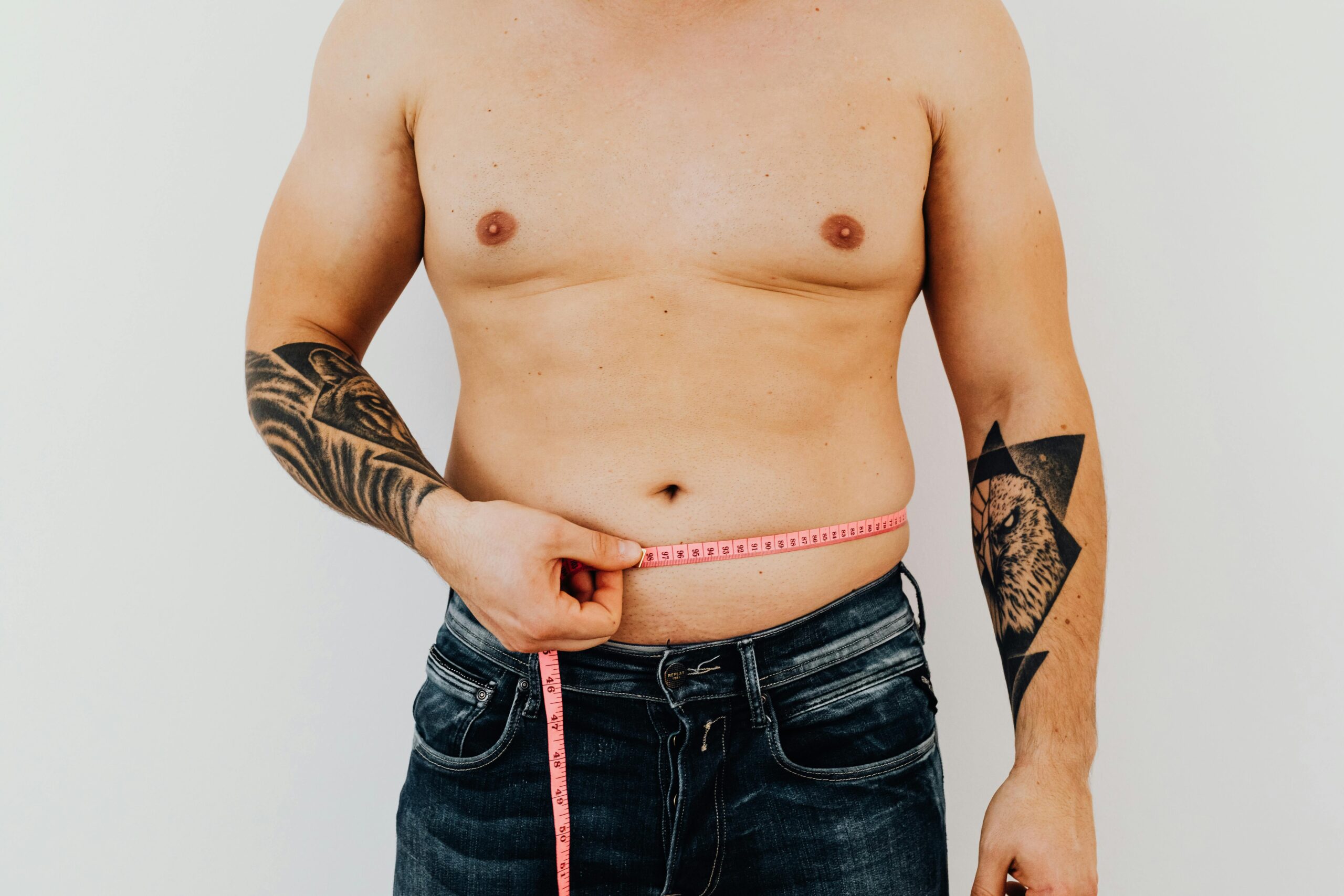
Take progress photos and measurements rather than relying solely on the scale. Body composition changes don’t always reflect in weight, especially when you’re building muscle while losing fat. Measure at the same time of day, preferably first thing in the morning, to minimize variables.
Remember that your waist is just one aspect of your overall health and physique. Obsessing over a single measurement can undermine your mental wellbeing. Focus on how you feel—your energy levels, strength improvements, and confidence—as much as how you look.
Bringing It All Together: Your Sculpted Waist Action Plan 🎯
Creating stunning waist definition requires a comprehensive approach that addresses training, nutrition, recovery, and lifestyle factors. Consistency in applying these principles yields far better results than perfection in any single area.
Start by establishing a training routine that includes three to four strength sessions weekly with dedicated core work. Add two to three cardio sessions, mixing HIIT and steady-state approaches based on your recovery capacity and preferences.
Address nutrition by creating a modest caloric deficit through whole foods, adequate protein, and strategic carbohydrate timing. Minimize processed foods, manage stress levels, and prioritize sleep as non-negotiable recovery tools.
Practice patience and self-compassion throughout the process. Your body will change at its own pace, influenced by genetics, starting point, and adherence. Focus on building sustainable habits rather than seeking rapid transformations that rarely last.
The sculpted waist you’re working toward represents more than aesthetics—it demonstrates your commitment to strength, health, and self-care. Every workout completed, every nutritious meal chosen, and every night of quality sleep contributes to the confident, empowered version of yourself you’re becoming. Your defined waist will be a beautiful reflection of the dedication and care you’ve invested in your wellbeing.
