
Anúncios
Choosing the right fabric can transform your wardrobe and boost your confidence by highlighting your best features while providing comfort and style.
The relationship between fabric choice and body type is often overlooked in fashion discussions, yet it plays a crucial role in how clothing fits, drapes, and flatters your unique silhouette. Understanding which materials work best for your figure isn’t about following rigid rules—it’s about making informed decisions that enhance your natural shape and make you feel fabulous in everything you wear.
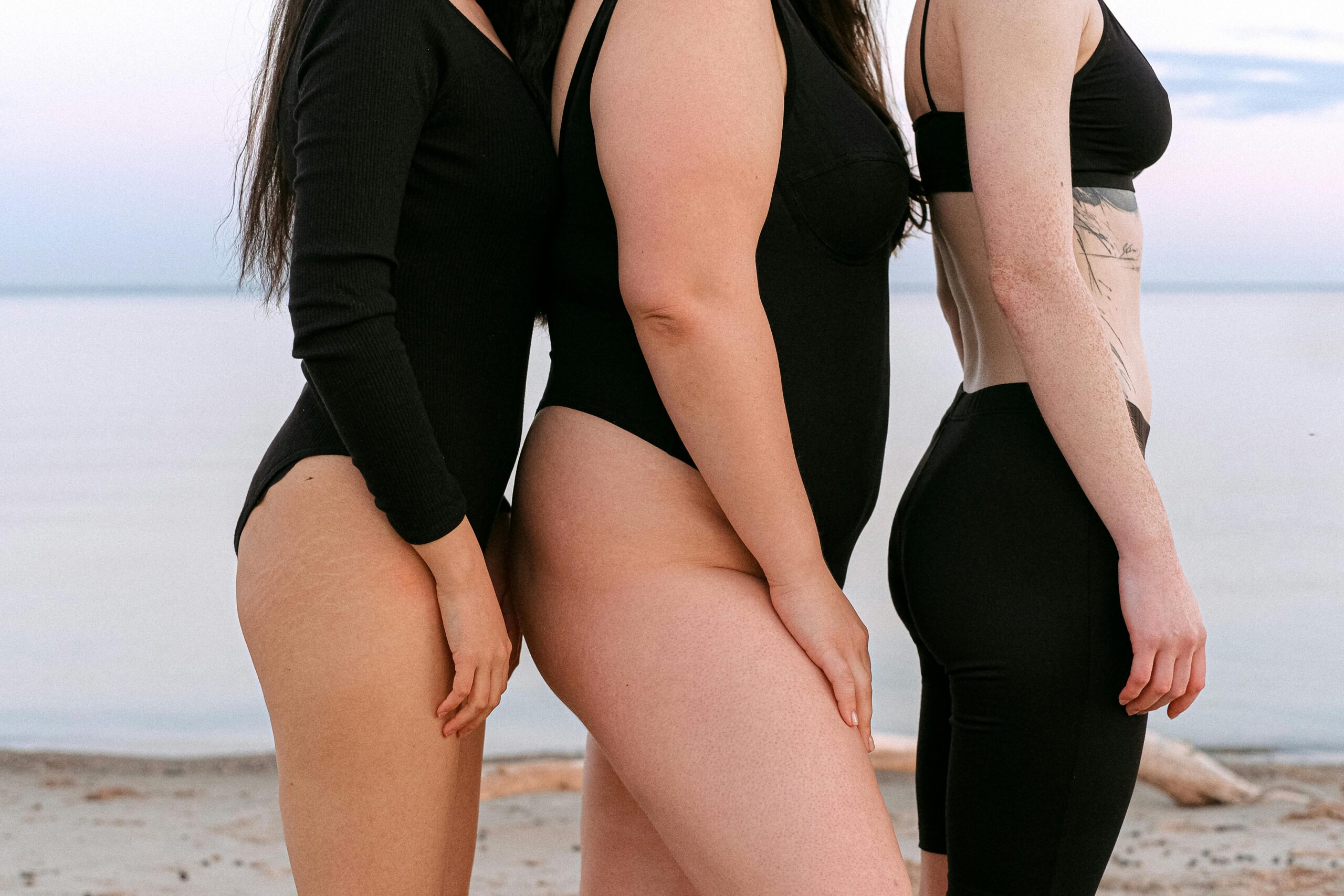
Every body is beautiful, and the goal isn’t to hide or change your shape but to celebrate it through strategic fabric selection. The right textile can create visual balance, emphasize your favorite features, and provide the comfort you need to move through your day with confidence. Whether you’re shopping for everyday basics or special occasion pieces, knowing which fabrics complement your body type will revolutionize your approach to building a wardrobe that truly works for you.
✨ Understanding Fabric Properties and How They Affect Your Silhouette
Before diving into specific body types, it’s essential to understand the fundamental properties of fabrics and how they interact with the human form. Different textiles have distinct characteristics that influence how garments hang, stretch, cling, or skim across your body.
Fabric weight significantly impacts the overall look of a garment. Lightweight materials like chiffon, silk, and fine cotton tend to flow and drape softly, creating fluid lines that move with your body. Medium-weight fabrics such as ponte knit, wool crepe, and quality denim offer structure without stiffness, making them versatile choices for various body types. Heavyweight materials like thick wool, leather, and structured canvas add volume and can create a more architectural silhouette.
The drape quality of a fabric refers to how it falls and folds naturally. Fabrics with excellent drape, like jersey, rayon, and modal, create soft, flowing lines that can be incredibly flattering when used strategically. Stiffer fabrics maintain their shape independently of body contours, which can work beautifully for creating structure or less favorably by adding bulk where it’s not desired.
Stretch and recovery are critical considerations, especially for fitted garments. Fabrics with elastane or spandex blended in offer flexibility and comfort while returning to their original shape. This quality is particularly important for maintaining a sleek appearance throughout the day without sagging or bagging.
🍐 Pear-Shaped Bodies: Balancing Your Beautiful Proportions
If you carry more weight in your hips and thighs while having a smaller upper body, you have a pear-shaped figure—one of the most common and naturally feminine body types. The key to dressing this silhouette is creating visual balance by drawing attention upward while choosing fabrics that gracefully skim your lower half.
For your upper body, embrace fabrics with texture, sheen, and structure. Silk blouses, textured knits, and fabrics with subtle shimmer work beautifully to draw the eye upward. Structured cotton, lightweight wool, and fabrics with body help create definition in your shoulders and bust area, establishing proportion with your lower half.
When selecting bottoms, look for fabrics with excellent drape and recovery. Ponte knit is your best friend—it offers structure without cling, smoothing your silhouette while maintaining its shape throughout the day. Dark-wash denim with a slight stretch provides comfort and a slimming effect. Avoid stiff, thick fabrics like heavy corduroy or bulky tweed for pants and skirts, as these add unnecessary volume.
A-line skirts in medium-weight fabrics work wonderfully for pear shapes, as they skim over hips without clinging. Cotton sateen, wool crepe, and structured jersey create beautiful movement without adding bulk. For dresses, consider styles with interesting necklines and sleeves in eye-catching fabrics, paired with flowing skirts in darker, matte materials.
🍎 Apple-Shaped Bodies: Creating Elongating Lines
Apple-shaped bodies typically carry weight around the midsection, with slimmer legs and arms that are often enviable assets. The fabric strategy here focuses on creating vertical lines, choosing materials that provide gentle structure around the middle while showcasing your gorgeous limbs.
Fabrics with moderate weight and excellent drape are your allies. Jersey knits, especially in darker colors, create smooth lines without clinging uncomfortably to your midsection. Look for fabrics described as “fluid” or having “beautiful drape”—these will skim your torso gracefully. Avoid clingy materials like thin cotton or cheap synthetics that highlight every contour.
V-necklines and wrap styles in flowing fabrics like matte jersey, crepe, or soft rayon create elongating vertical lines that flatter apple shapes beautifully. These materials move with your body while maintaining their structure, providing both comfort and style. For tops and dresses, empire waistlines or no defined waist at all work best in fabrics with some body but not stiffness.
Your legs are likely one of your best features, so show them off! For pants, choose fabrics with stretch and recovery that hug your slimmer lower body. Quality stretch denim, cotton-spandex blends, and ponte knit pants highlight your legs while balancing your proportions. Avoid elastic-waist pants in stiff fabrics, which can create unflattering bulk around your midsection.
⏳ Hourglass Figures: Celebrating Your Curves
With a defined waist and balanced bust and hip measurements, the hourglass figure is often considered the classic feminine silhouette. Your fabric choices should emphasize your waist while accommodating your curves comfortably, avoiding both excess fabric and overly restrictive materials.
Structured fabrics with stretch are ideal for hourglass bodies. Look for ponte knit, stretch wool, quality denim with elastane, and cotton-spandex blends. These materials hug your curves in all the right places while providing enough structure to create a polished appearance. They maintain their shape throughout the day, ensuring you look as fresh in the evening as you did in the morning.
Wrap dresses in jersey, silk, or rayon are practically made for hourglass figures. These fabrics have the perfect combination of drape and structure to emphasize your waist while gracefully accommodating your bust and hips. Bias-cut garments in fluid materials like silk charmeuse or rayon create beautiful, figure-skimming silhouettes that move elegantly with your body.
Avoid extremely stiff or bulky fabrics that mask your waist definition. Heavy, structured materials like thick canvas, stiff brocade, or bulky knits can overwhelm your frame and hide your beautiful proportions. Similarly, overly loose, shapeless fabrics in styles without waist definition don’t do justice to your figure. Instead, opt for fitted or semi-fitted styles in fabrics that have enough body to create shape without adding bulk.
📏 Rectangle Body Types: Creating Curves and Definition
Rectangle or athletic body types have similar measurements at the bust, waist, and hips, creating a straight silhouette. The fabric strategy here involves creating the illusion of curves and defining a waistline through strategic textile choices and styling.
Fabrics with texture, volume, and visual interest are excellent for rectangle shapes. Textured knits, tweeds, jacquards, and fabrics with patterns help create dimension. Ruffles, pleats, and gathering in lighter-weight fabrics add volume where you want to create curves. These details work best in areas like the bust and hips to establish more feminine proportions.
For creating waist definition, look for medium-weight fabrics with enough structure to hold shape when cinched or belted. Cotton poplin, structured linen blends, and wool crepe work beautifully for this purpose. Peplum styles in fabrics with body create the illusion of hips, while details at the bust in textured or shiny materials draw attention and add dimension.
Avoid overly fluid, drapey fabrics in completely unstructured styles, as these can make rectangle bodies appear shapeless. While you can certainly wear flowing materials, ensure they’re incorporated into styles with some shape definition—whether through seaming, belting, or color blocking. Stiff, heavy fabrics without strategic styling can also emphasize the straight lines of your body rather than creating the curves you’re looking for.
💎 Inverted Triangle Bodies: Balancing Broad Shoulders
Inverted triangle body types have broader shoulders and bust compared to their hips and legs. The fabric approach focuses on minimizing visual weight on top while adding interest and volume to the lower body, creating balanced proportions.
For your upper body, choose matte fabrics without bulk or excessive texture. Fine-gauge knits, smooth cotton, matte jersey, and simple weaves in darker colors create a streamlined look. Avoid shiny fabrics, heavy embellishments, and chunky knits on top, as these draw attention and add visual weight to your shoulder area. V-necks and vertical details in non-bulky fabrics help create elongating lines.
Your lower half is where you can have fun with texture, volume, and eye-catching fabrics. Full skirts in lightweight materials with body, like cotton poplin, taffeta, or organza, create beautiful volume that balances your shoulders. Printed or textured pants, wide-leg styles in flowing fabrics, and skirts with pleating or gathering add dimension to your lower body.
Fabrics with movement and drape work wonderfully for dresses. A-line or fit-and-flare styles in materials that skim your upper body and flare out below the waist create gorgeous proportions. Consider color blocking with simpler, matte fabrics on top and more interesting, textured, or patterned fabrics on the bottom half of dresses and outfits.
🌟 Petite Frames: Choosing Fabrics That Don’t Overwhelm
Being petite isn’t technically a body shape, but height significantly impacts how fabrics work on your frame. The key principle is avoiding materials and patterns that overwhelm your smaller stature while ensuring adequate structure to create presence.
Lightweight to medium-weight fabrics work best for petite bodies. Heavy, bulky materials can swallow your frame and make you appear even smaller. Instead, opt for fine-gauge knits, lightweight wool, silk, cotton blends, and quality synthetics that provide drape without excessive weight. These materials create clean lines without adding bulk.
Fabrics with vertical texture or small-scale patterns complement petite frames beautifully. Vertical ribbing, subtle stripes woven into the material, and fine textures create lengthening lines. Avoid large prints and chunky textures that can overwhelm your proportions—instead, look for delicate patterns and refined textures that create visual interest without dominating your silhouette.
Structure is important for petite bodies to avoid looking lost in clothing. Fabrics with body, like ponte knit, structured cotton, and blends with enough substance to hold shape, help your clothes maintain their silhouette rather than collapsing on your frame. However, balance structure with weight—you want fabrics that hold their shape without being heavy or stiff.
🌈 Universal Fabric Choices That Flatter Every Body Type
While specific body types benefit from particular fabric choices, some materials are universally flattering and deserve a place in every wardrobe. These versatile textiles work across different shapes because of their balanced properties.
Ponte knit is perhaps the most universally flattering fabric available. This stable knit fabric offers stretch for comfort and fit, excellent recovery to maintain its shape, and enough structure to smooth and flatter. It works beautifully for dresses, pants, skirts, and blazers across all body types. The fabric’s weight and drape create clean lines without clinging or adding bulk.
Quality jersey in medium weight is another wardrobe hero. It drapes beautifully, offers comfortable stretch, and works for both fitted and flowing styles. Look for jersey with good weight—not so thin that it’s clingy or transparent, but not so heavy that it’s stiff. This fabric is particularly forgiving and comfortable for all-day wear.
Crepe fabrics, whether silk, polyester, or rayon-based, offer a beautiful combination of structure and drape. The slightly textured surface adds visual interest while the fluid drape creates elegant lines. Crepe works across body types because it skims the body without clinging, maintains its shape well, and has a sophisticated appearance suitable for both professional and social occasions.
Stretch denim with the right balance of cotton and elastane is a closet staple for good reason. Look for denim with 2-5% elastane for comfortable stretch with good recovery. The weight of denim provides structure while the stretch accommodates your body comfortably. Dark washes in quality denim are universally slimming and versatile.
🛍️ Practical Shopping Tips for Fabric Selection
Armed with knowledge about which fabrics flatter your body type, how do you put this information into practice while shopping? These practical tips will help you evaluate fabrics quickly and make smart purchasing decisions.
Always check the fabric content label. This small tag provides crucial information about what you’re buying. Natural fibers like cotton, silk, wool, and linen offer breathability and luxury, while synthetic materials like polyester, rayon, and nylon provide durability and easy care. Blends often offer the best of both worlds—look for natural-synthetic combinations that maximize the benefits of each fiber type.
The touch test reveals a lot about quality and suitability. Feel the fabric between your fingers. Does it feel substantial or flimsy? Does it have a pleasant texture or feel cheap? Stretch it gently—does it bounce back or stay stretched? Hold it up to light—can you see through it easily? These simple tests help you assess quality and appropriateness before purchasing.
Consider the garment’s intended use and care requirements. Beautiful silk may be perfect for special occasions, but if you need washable workwear, a silk-look polyester might be more practical. Fabrics requiring dry cleaning add to the lifetime cost of garments. Sometimes paying more for quality, easy-care fabrics makes better financial sense than buying cheaper items requiring expensive maintenance.
Try before you buy, paying attention to how the fabric behaves on your body. Sit down, raise your arms, walk around. Does the fabric wrinkle immediately? Does it ride up or pull uncomfortably? Does it create unflattering lines when you move? The perfect fabric should look great both standing and in motion, maintaining its appearance throughout the activities of your day.
🎨 Color and Pattern Considerations with Fabric Choice
Fabric choice doesn’t exist in isolation—it interacts with color and pattern to create the overall effect of a garment. Understanding how these elements work together enhances your ability to choose the most flattering options.
Darker colors in matte fabrics are universally slimming and create smooth, continuous lines. This principle applies across all body types for areas you want to minimize or streamline. However, this doesn’t mean you should only wear black. Deep jewel tones, navy, charcoal, and rich browns in quality matte fabrics offer sophistication while providing that slimming effect.
Shiny fabrics reflect light and draw attention, making them ideal for areas you want to highlight. Satin, silk, metallic weaves, and fabrics with sheen work beautifully on features you’re proud of—a defined waist, toned arms, or shapely legs. Use shine strategically, as it also adds visual volume. Pairing shiny tops with matte bottoms or vice versa creates interest while maintaining balance.
Patterns interact differently with various fabrics. A bold print on flowing silk creates a completely different effect than the same print on structured cotton. Generally, busier patterns work better on textured or matte fabrics, while subtle patterns or solids better showcase the beauty of luxurious, drapey materials. Consider how pattern scale relates to both the fabric type and your body size—larger prints on stiff fabrics can overwhelm, while small prints on fluid fabrics create visual interest without dominating.
✂️ Transforming Your Wardrobe with Fabric Knowledge
Understanding fabric properties and how they interact with your unique body type empowers you to build a wardrobe that truly serves you. This knowledge transforms shopping from a frustrating trial-and-error process into an informed, enjoyable experience where you make confident choices aligned with your personal style and body’s needs.
Start by auditing your current wardrobe through the lens of fabric. Which pieces make you feel amazing? Check their fabric content and properties. You’ll likely notice patterns—perhaps you gravitate toward ponte knit dresses or feel best in cotton-spandex blends. Identifying these preferences helps you seek out similar fabrics in future purchases.
Similarly, examine pieces you never wear. Often, these garments fail not because of style but because the fabric doesn’t work for your body or lifestyle. That beautiful but constantly wrinkled linen dress, the clingy synthetic top that highlights every line, or the stiff denim that never quite fits comfortably—these fabric failures teach valuable lessons about what doesn’t work for you.
Building a flattering wardrobe doesn’t require buying entirely new pieces. Sometimes, simple alterations to existing clothes made from good fabrics can transform them into favorites. A dress in perfect fabric but wrong length can be hemmed. A beautiful blazer in ideal material but slightly large can be tailored. Invest in alterations for pieces with excellent fabric—the material quality makes them worth the additional cost.
Remember that fashion rules are guidelines, not absolutes. While certain fabrics typically flatter specific body types, personal style, confidence, and individual body variations always take precedence. If you love a fabric that “shouldn’t” work for your body type according to conventional wisdom, but you feel amazing wearing it, that’s what matters most. Use these guidelines as a starting point for exploration, not as rigid restrictions limiting your self-expression.
The ultimate goal of understanding fabric and body type relationships is enhancing your confidence and comfort. When you wear clothes that fit well, feel comfortable, and flatter your figure, you naturally carry yourself with more assurance. This confidence is the most attractive quality anyone can wear, regardless of body type or fabric choice. Let fabric knowledge serve as a tool for empowerment, helping you present your most authentic, confident self to the world every single day. 🌟
