
Anúncios
Fashion speaks volumes without uttering a word, and few garments communicate as powerfully as the humble skirt, whose hemline has historically charted everything from economic prosperity to feminist movements.
The Hemline Index: Where Fashion Meets Economics 📊
The relationship between skirt lengths and economic conditions has fascinated economists and fashion historians since the 1920s. George Taylor’s “Hemline Index” theory proposed that hemlines rise during prosperous times and fall during economic downturns. While not scientifically rigorous, this observation sparked decades of discussion about how clothing choices mirror societal confidence.
During the Roaring Twenties, flappers scandalized society with knee-length skirts that symbolized newfound freedom and economic optimism. Conversely, the Great Depression saw hemlines plummet alongside stock prices, with conservative, longer styles dominating fashion runways and street corners alike.
The theory resurfaced during the 1960s economic boom when Mary Quant’s miniskirt revolution swept through London and beyond. Young women embraced daringly short hemlines that reflected post-war prosperity, youth culture empowerment, and rejection of traditional constraints. This wasn’t merely fashion—it was rebellion wrapped in fabric.
Challenging the Economic Correlation
Modern analysis reveals the hemline-economy connection is more complex than originally theorized. The 2008 financial crisis didn’t universally send hemlines downward. Instead, fashion fragmented into multiple acceptable lengths, reflecting a democratized industry where personal choice trumped uniform trends.
Contemporary research suggests that while economic factors influence fashion, they interact with technology, social movements, and individual psychology in ways that simple correlations cannot capture. The hemline tells stories beyond balance sheets—it reveals how we see ourselves and wish to be seen.
The Psychology of Length: What Your Hemline Says About You 💭
Skirt length operates as a powerful form of non-verbal communication, broadcasting messages about personality, professionalism, and self-perception. Women often make hemline choices based on psychological comfort zones that extend beyond physical coverage.
Shorter hemlines typically convey confidence, youthfulness, and modernity. They signal comfort with one’s body and often correlate with extroverted personality traits. Fashion psychologists note that choosing a mini or above-knee skirt requires a certain fearlessness—not just about showing skin, but about claiming space and attention.
Mid-length skirts, particularly the midi silhouette that hits between knee and ankle, communicate sophistication and deliberate fashion awareness. This length has surged in popularity among style-conscious professionals who want to appear current without sacrificing perceived credibility. It’s the hemline of intentionality.
Maxi Skirts and the Comfort Paradox
Floor-length skirts present an interesting psychological profile. They simultaneously offer maximum coverage and dramatic fashion impact. Women who favor maxi lengths often report feeling both protected and expressive—the flowing fabric creates movement and presence while maintaining personal boundaries.
Research in clothing psychology reveals that hemline preferences shift based on life circumstances, mood, and context. The same woman might choose a mini for a night out, a knee-length pencil for presentations, and a maxi for casual weekends, each choice reflecting different facets of identity and situational demands.
Cultural Context: How Geography Shapes Hemlines 🌍
Hemline psychology cannot be divorced from cultural context. What represents liberation in one society might signify transgression in another. Understanding these variations illuminates how deeply clothing intersects with cultural identity and values.
In Western fashion capitals like Paris, Milan, and New York, hemline diversity reflects relatively liberal social norms. Women exercise considerable freedom in choosing lengths based on personal preference rather than strict social codes. Yet even here, unwritten rules govern professional environments, religious settings, and formal occasions.
Middle Eastern and South Asian fashion traditions demonstrate how modesty requirements shape hemline innovation. Designers in these regions create stunning variations within longer-length parameters, proving that creativity flourishes within constraints. The abaya, salwar kameez, and modest fashion movement worldwide show that covering doesn’t mean compromising style.
The Global Modest Fashion Movement
The modest fashion industry, valued at over $300 billion globally, has revolutionized how we think about hemlines and coverage. This movement transcends religious requirements, attracting women who simply prefer elegant, covered styles that reject the pressure to reveal.
Japanese street fashion offers another fascinating case study. Harajuku culture embraces extreme hemline variations—from ultra-short schoolgirl-inspired looks to elaborate Gothic Lolita designs with petticoats extending below the knee. Here, hemlines signal subcultural affiliation rather than conformity to mainstream trends.
Professional Power: Hemlines in the Workplace ⚖️
The intersection of hemlines and professional credibility remains contentious territory. Despite decades of workplace equality progress, women still navigate complex judgments based on skirt length in ways men never face with their relatively uniform trouser options.
Traditional corporate environments often enforce unwritten hemline codes. The “fingertip rule”—skirts should extend below fingertips when arms hang naturally—persists in many conservative industries. This standard positions knee-length or slightly above as the professional sweet spot, balancing modernity with respectability.
Yet this paradigm is shifting. Creative industries, tech companies, and progressive workplaces increasingly embrace hemline diversity as part of authentic self-expression. The rise of remote work further complicates traditional dress codes, with many women reporting increased hemline experimentation outside conventional office constraints.
The Double Standard Dilemma
Studies consistently reveal that women face professional penalties for hemlines deemed too short or too long, while their male colleagues face no equivalent scrutiny. A skirt several inches above the knee might be labeled unprofessional, while an ankle-length style could be dismissed as frumpy or outdated.
This double bind forces women to calculate hemline choices with political awareness. The decision becomes less about personal comfort and more about navigating gendered expectations—a mental burden that represents invisible professional labor.
Historical Milestones: Hemlines That Changed the World 📚
Certain hemline moments transcend fashion, becoming cultural flashpoints that reveal deeper social transformations. These pivotal shifts demonstrate how something as simple as fabric length can spark controversy, conversation, and change.
The introduction of the miniskirt in 1964 represents perhaps the most revolutionary hemline moment in modern history. Mary Quant’s design didn’t just shorten skirts—it challenged notions of femininity, sexuality, and women’s autonomy over their bodies. The miniskirt became synonymous with sexual revolution and second-wave feminism.
Conversely, the 1970s saw hemlines drop dramatically with the prairie dress and bohemian maxi trend. This shift reflected counterculture values, environmental consciousness, and rejection of corporate fashion dictates. Longer hemlines paradoxically signaled rebellion against establishment norms.
The Power Suit Era
The 1980s brought the knee-length pencil skirt as essential businesswear component. Paired with shoulder-padded blazers, this hemline represented women claiming space in previously male-dominated corporate environments. The strict, uniform length communicated serious professional intent.
Recent years have witnessed the midi skirt renaissance, with fashion-forward individuals embracing this previously unfashionable length. This revival suggests growing confidence in rejecting binary short-versus-long thinking, instead celebrating the nuanced middle ground.
Body Image and Hemline Confidence 💪
The relationship between body image and hemline choice reveals complex psychological terrain. Women frequently report that hemline comfort directly correlates with body confidence, yet this relationship is deeply influenced by societal beauty standards and personal history.
Fashion therapy practitioners note that hemline experimentation can serve as powerful tool for body acceptance work. Gradually trying different lengths helps women challenge internalized rules about which bodies “deserve” to wear certain styles. This process often reveals that the anticipated judgment exists more internally than externally.
Social media has complicated this landscape. Platforms like Instagram and TikTok simultaneously offer hemline inspiration and reinforce narrow beauty ideals. The constant visual comparison can either empower diverse hemline choices or intensify anxiety about “wearing the right thing.”
Reclaiming Personal Hemline Narratives
Body-positive movements encourage women to divorce hemline decisions from perceived body “flaws.” The revolutionary act lies in wearing desired lengths regardless of whether legs are considered “perfect” by arbitrary standards. This shift from external validation to internal preference represents genuine fashion freedom.
Adaptive fashion designers are expanding hemline options for differently-abled bodies, creating beautiful designs that accommodate wheelchairs, prosthetics, and various mobility needs. This inclusion broadens hemline psychology beyond able-bodied assumptions, recognizing that all bodies deserve stylish options at every length.
Climate, Comfort, and Practical Hemline Considerations 🌡️
Beyond psychology and culture, practical factors significantly influence hemline choices. Climate, activity level, and lifestyle needs often override fashion preferences, demonstrating that hemline decisions balance multiple competing priorities.
Warmer climates naturally favor shorter hemlines for temperature regulation, while colder regions embrace longer styles for warmth. Yet fashion frequently defies practicality—witness mini skirts paired with tights in winter, or maxi dresses in tropical heat styled for aesthetic rather than comfort.
Active lifestyles require hemline functionality. Parents chasing toddlers, women cycling to work, or those with physically demanding jobs often prioritize movement-friendly lengths. The athleisure trend partly emerged from this need, offering skirt-short hybrids and stretchy fabrics that accommodate activity.
Sustainable Fashion and Hemline Versatility
The sustainable fashion movement encourages investing in versatile pieces that transcend trend cycles. From this perspective, classic knee-length and midi skirts offer maximum wearability across seasons, occasions, and body changes. Hemline longevity becomes an environmental consideration.
Adjustable hemlines represent an innovative solution—designs with buttons, drawstrings, or convertible features that allow length modification. These pieces honor the reality that our hemline needs and preferences shift, reducing consumption by offering multiple options in one garment.
Digital Age Hemlines: Social Media’s Influence 📱
Social media has fundamentally transformed how hemline trends emerge, spread, and evolve. What once required runway shows and magazine spreads now happens instantly through influencer posts, viral videos, and algorithm-driven discovery.
TikTok fashion challenges frequently center on specific hemline styles, creating viral moments that drive purchasing decisions globally. The platform’s young demographic has particularly embraced micro-mini revival and Y2K-inspired low-rise skirts, demonstrating generational hemline preferences.
Instagram’s visual nature makes it ideal for hemline inspiration, with countless accounts dedicated to styling specific lengths. This democratization means fashion authority no longer exclusively belongs to traditional gatekeepers—anyone can influence hemline conversations.
The Authenticity Question
Yet social media’s influence raises authenticity concerns. Are women choosing hemlines they genuinely prefer, or simply replicating algorithmically-promoted trends? The line between inspiration and pressure blurs when feeds constantly showcase idealized bodies in specific styles.
Digital fashion communities also enable niche hemline appreciation. Women who love prairie maxi skirts, vintage tea-length styles, or alternative fashion can find their tribes online, validating choices that might feel isolating in geographic communities with different prevailing norms.
Future Horizons: Where Hemlines Are Heading 🔮
Predicting fashion’s future remains notoriously difficult, but current trajectories suggest hemlines will continue diversifying rather than converging on single “correct” lengths. The future appears democratized, personalized, and liberated from previous constraints.
Technology promises customizable hemlines through smart fabrics that adjust length electronically or garments designed in virtual spaces before physical production. These innovations could make hemline experimentation accessible without environmental costs of constant purchasing.
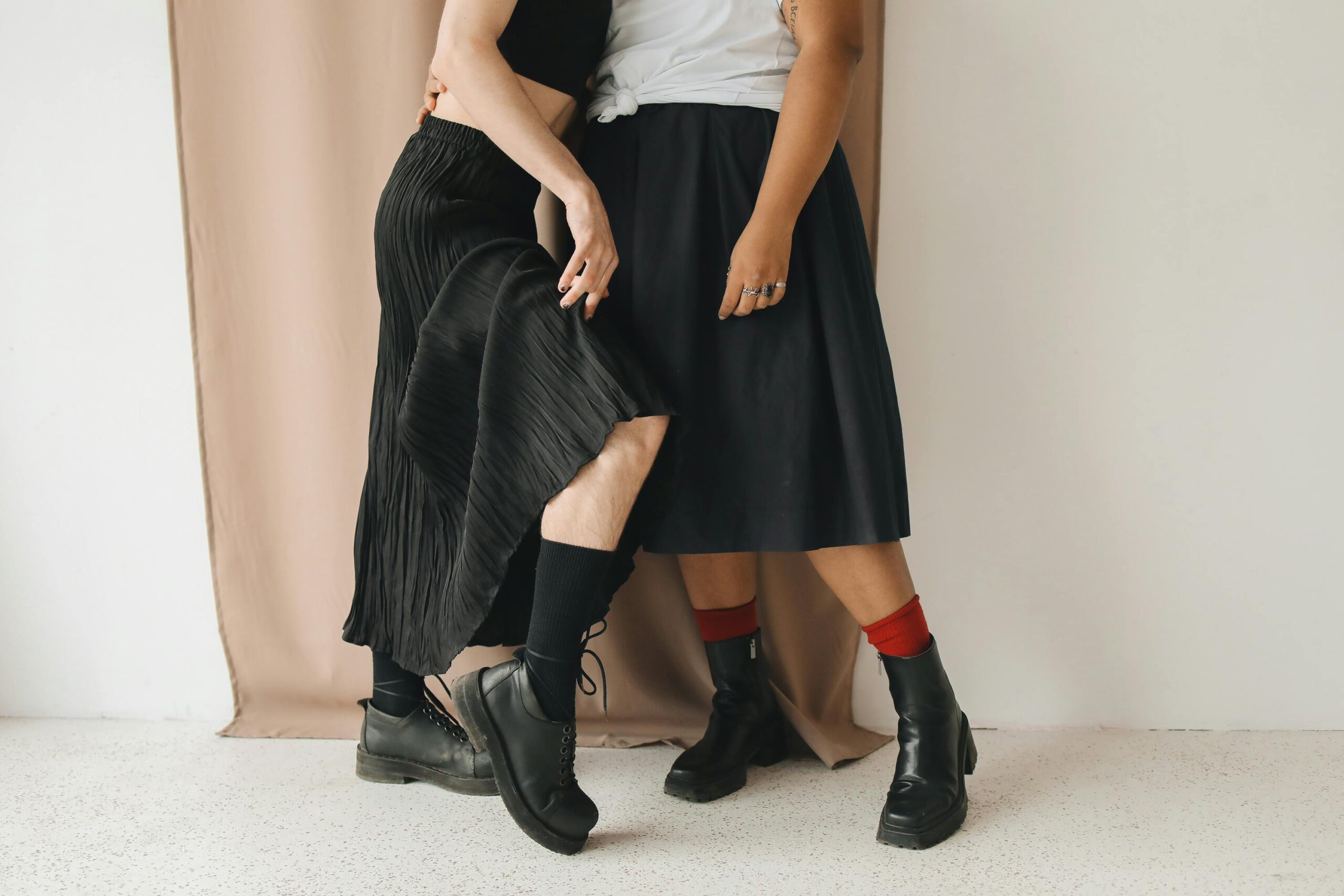
Gender-fluid fashion increasingly questions why hemlines remain gendered territory. Men exploring skirts and dresses bring fresh perspectives to hemline psychology, challenging assumptions about which bodies hemlines “belong” to. This expansion enriches conversations about what hemlines mean and communicate.
Climate change may ultimately exert practical influence on hemline evolution. As temperatures rise and weather patterns destabilize, functional considerations might increasingly drive length choices alongside aesthetic preferences. Adaptive, versatile hemlines could become environmental necessity.
Embracing Your Hemline Journey ✨
Understanding hemline psychology empowers more conscious, confident clothing choices. Recognizing that length communicates information helps us dress intentionally, whether we choose to conform, challenge, or simply ignore prevailing expectations.
The most psychologically healthy approach to hemlines balances external awareness with internal authenticity. Know the contexts you navigate and their unspoken codes, but ultimately honor your own comfort, preference, and self-expression. Your hemline should serve you, not constrain you.
Experimenting with different lengths reveals surprising insights about identity and confidence. The mini that felt terrifying might become empowering. The maxi that seemed dowdy could feel elegantly dramatic. Hemline exploration is self-discovery through fabric.
Fashion’s beauty lies in its temporality and personal interpretation. Hemlines will continue rising and falling with cultural tides, economic shifts, and individual whims. What remains constant is clothing’s profound ability to reflect who we are, who we’ve been, and who we’re becoming—one hemline at a time.
