
Anúncios
The fashion landscape has shifted from seasonal trends to daily micro-trends, creating an overwhelming cycle of rapid consumption and instant obsolescence in our digital age.
🌀 The Birth of the Micro-Trend Era
We’re living in an unprecedented moment where fashion trends no longer last seasons—they barely survive weeks. What was considered cutting-edge on Monday becomes passé by Friday. This phenomenon, known as micro-trends, has fundamentally transformed how we consume, create, and think about style in the 21st century.
The rise of social media platforms, particularly TikTok and Instagram, has accelerated trend cycles to a dizzying pace. A single viral video can spark a global fashion movement overnight, with millions rushing to replicate looks before the algorithm moves on to something new. This constant churn has created what experts call “micro-trend overload”—a state of perpetual fashion anxiety where consumers feel simultaneously behind and overwhelmed.
Unlike traditional fashion trends that emerged from runways and trickled down through magazines over months, micro-trends bubble up from nowhere and everywhere simultaneously. A teenager’s outfit video can garner 10 million views in 48 hours, spawning countless copycats and fast-fashion reproductions before the week ends.
📱 The Social Media Acceleration Machine
TikTok’s algorithm deserves particular scrutiny in understanding this phenomenon. The platform’s “For You Page” operates as an incredibly efficient trend distribution system, capable of exposing millions to the same aesthetic within hours. When a particular style gains traction—whether it’s “coastal grandmother,” “balletcore,” or “mob wife aesthetic”—the algorithmic amplification creates instant, intense demand.
Instagram’s visual-first approach compounds this effect. The platform rewards novelty and constant content creation, pushing influencers and everyday users alike to continuously showcase new outfits, products, and styles. The implicit message is clear: repetition equals irrelevance. This creates an endless hunger for fresh content that feeds directly into the micro-trend cycle.
YouTube and Pinterest contribute differently but significantly to this ecosystem. YouTube offers longer-form content where creators analyze trends, create haul videos, and provide styling tutorials that further legitimize and spread micro-trends. Pinterest serves as a mood board generator, crystallizing aesthetics into searchable, shareable categories that make micro-trends feel more substantial than they often are.
The Influencer Economy’s Role
Influencers exist at the epicenter of micro-trend creation and propagation. Their livelihood depends on maintaining relevance, which increasingly means jumping on every emerging trend or creating new ones. This economic incentive structure ensures that the micro-trend treadmill never stops spinning.
Micro-influencers and content creators have discovered that trend-focused content performs exceptionally well algorithmically. Videos titled “Three aesthetics you NEED to try in 2024” or “This trend is everywhere right now” consistently generate high engagement, creating a self-reinforcing cycle where creators feel compelled to identify or manufacture the next big thing.
⚡ Fast Fashion’s Perfect Storm
The fashion industry hasn’t been a passive observer in this transformation—it’s been an active and enthusiastic participant. Fast fashion brands like Shein, Zara, and Fashion Nova have built entire business models around capitalizing on micro-trends with unprecedented speed.
Shein exemplifies this new paradigm. The company adds thousands of new items to its website daily, using data analytics and AI to identify emerging trends on social media and translate them into affordable products within days. This represents a complete inversion of traditional fashion production timelines, where design-to-retail could take six months or more.
The economic implications are staggering. Fast fashion companies now operate on weekly or even daily trend cycles rather than seasonal collections. Their supply chains have been optimized for speed over everything else, enabling them to produce and ship trend-specific items before consumer interest wanes.
The Environmental Catastrophe
This acceleration comes with devastating environmental costs. The fashion industry already accounts for approximately 10% of global carbon emissions, and micro-trend culture has intensified production to unsustainable levels. Clothing is increasingly treated as disposable, with items worn only a handful of times before being discarded in favor of the next trend.
Textile waste has reached crisis proportions. In the United States alone, approximately 11.3 million tons of textile waste end up in landfills annually—much of it consisting of barely-worn fast fashion items that went out of style within weeks of purchase. The synthetic materials commonly used in fast fashion can take hundreds of years to decompose, creating long-term environmental damage for short-term aesthetic satisfaction.
🧠 The Psychology Behind Trend Addiction
Understanding why consumers eagerly participate in this exhausting cycle requires examining the psychological mechanisms at play. Micro-trends tap into several powerful human drives: the desire for belonging, fear of missing out (FOMO), and the dopamine hit of novelty.
Social media has amplified these psychological triggers exponentially. When your feed is filled with people participating in a particular aesthetic or wearing specific items, the social pressure to conform becomes intense. The implicit message is that failing to keep up means social invisibility or irrelevance.
The constant novelty provides regular dopamine rewards. Shopping for and acquiring new trendy items triggers the brain’s reward system, creating a positive feedback loop that encourages continued consumption. This neurological response helps explain why many people report feeling unable to resist participating in micro-trends despite recognizing the cycle’s futility.
Identity Formation in the Digital Age
Micro-trends offer young people, in particular, a ready-made identity framework. Rather than slowly developing a personal style over years, they can adopt a complete aesthetic package—”dark academia,” “cottagecore,” or “clean girl aesthetic”—with specific clothing items, color palettes, and lifestyle associations already defined.
This approach to identity formation is both liberating and limiting. It provides accessible entry points into self-expression but can also create pressure to fit neatly into predefined categories. The speed at which these aesthetics come and go can leave participants feeling like they’re constantly rebuilding their identity from scratch.
💸 The Economic Reality Check
The financial implications of micro-trend participation are significant, particularly for younger consumers with limited incomes. Keeping up with rapidly changing trends requires continuous purchasing, which can strain budgets and lead to problematic consumption patterns.
Research indicates that Gen Z consumers, who are most immersed in micro-trend culture, paradoxically express strong values around sustainability and ethical consumption while simultaneously participating heavily in fast fashion. This disconnect highlights the powerful grip of social and algorithmic pressure.
Some statistics paint a concerning picture:
- The average consumer now purchases 60% more clothing items than they did 15 years ago
- These items are kept for half as long as they were previously
- Young consumers report feeling pressure to avoid outfit repetition on social media
- Fast fashion hauls featuring dozens of items regularly go viral, normalizing excessive consumption
🔄 The Backlash Begins: Conscious Resistance
Encouragingly, a counter-movement is gaining momentum. Increasingly aware of the environmental, financial, and psychological costs of micro-trend culture, many consumers are actively rejecting this cycle in favor of more sustainable approaches to fashion and personal style.
The slow fashion movement advocates for investing in quality pieces, supporting ethical brands, and developing a timeless personal style rather than chasing every fleeting trend. This philosophy directly challenges the fast fashion model by prioritizing longevity, craftsmanship, and intentional consumption.
Secondhand shopping has exploded in popularity, partly as a response to micro-trend fatigue. Platforms like Depop, Vinted, and ThredUp have made buying pre-loved clothing easier and more socially acceptable than ever. This shift represents both practical economics—getting trendy pieces cheaply—and genuine commitment to reducing fashion’s environmental impact.
The Rise of Anti-Trend Trends
Ironically, rejecting micro-trends has itself become a kind of trend. Content creators discussing “capsule wardrobes,” “investing pieces,” and “personal style” attract substantial audiences tired of the constant churn. This meta-trend suggests genuine appetite for a different relationship with fashion.
Some influencers have built entire brands around outfit repetition, deliberately challenging the social media norm of constant novelty. These creators demonstrate that engagement and relevance don’t require participating in every micro-trend, offering an alternative model for digital presence.
🎯 Finding Balance in the Trend Tsunami
For individuals navigating this landscape, finding a sustainable middle path requires intentionality and self-awareness. Complete trend abstinence isn’t realistic or necessary for most people, but mindful participation can mitigate the worst aspects of micro-trend culture.
Developing a personal style foundation provides an anchor amid the chaos. When you understand what genuinely suits your body, lifestyle, and aesthetic preferences, individual micro-trends become optional enhancements rather than mandatory updates. This foundation might include versatile basics, favorite silhouettes, and a coherent color palette that transcends seasonal fluctuations.
The “one in, one out” rule offers practical guidance: before purchasing something new, commit to removing something existing from your wardrobe. This creates natural friction against impulsive trend-based purchases while maintaining a manageable closet size.
Curating Your Digital Diet
Since social media drives much of micro-trend overload, consciously curating your digital consumption can significantly reduce pressure. Following accounts that promote sustainable fashion, personal style development, and mindful consumption creates a feed that supports healthier fashion relationships.
Setting boundaries around shopping-related content can also help. If fashion haul videos or trend forecasting content triggers problematic consumption urges, actively limiting exposure through unfollowing, muting, or using app time limits can create necessary distance.
🌍 Industry Transformation: Necessary Evolution
Ultimately, addressing micro-trend overload requires systemic change within the fashion industry itself. While individual consumer choices matter, corporate responsibility and regulatory frameworks will prove essential for meaningful transformation.
Some brands are pioneering alternative models. Rental services like Rent the Runway allow trend participation without permanent acquisition. Repair and resale programs from brands like Patagonia and Eileen Fisher acknowledge responsibility beyond the initial sale. These initiatives represent hopeful directions for industry evolution.
Legislative action is gaining traction in some regions. France has banned destroying unsold clothing and implemented requirements for environmental labeling. The European Union is developing comprehensive regulations around textile waste and fast fashion practices. These policy interventions could fundamentally alter industry incentives.
🔮 The Future of Fashion Cycles
Predicting fashion’s future is notoriously difficult, but certain trajectories seem probable. The current micro-trend acceleration likely isn’t sustainable—economically, environmentally, or psychologically. Some form of correction seems inevitable, whether through consumer exhaustion, environmental crisis, or regulatory intervention.
Technology will continue playing a central role, though its impact could cut both ways. AI and data analytics might further accelerate trend identification and production, intensifying current problems. Alternatively, these tools could enable more personalized, sustainable approaches like made-to-order production or better matching consumers with secondhand items.
The growing awareness around fashion’s environmental impact, particularly among younger consumers, suggests potential for significant cultural shift. As climate change becomes increasingly undeniable and urgent, the cognitive dissonance of participating in destructive micro-trend culture may become untenable for many.
✨ Reclaiming Style From Trends
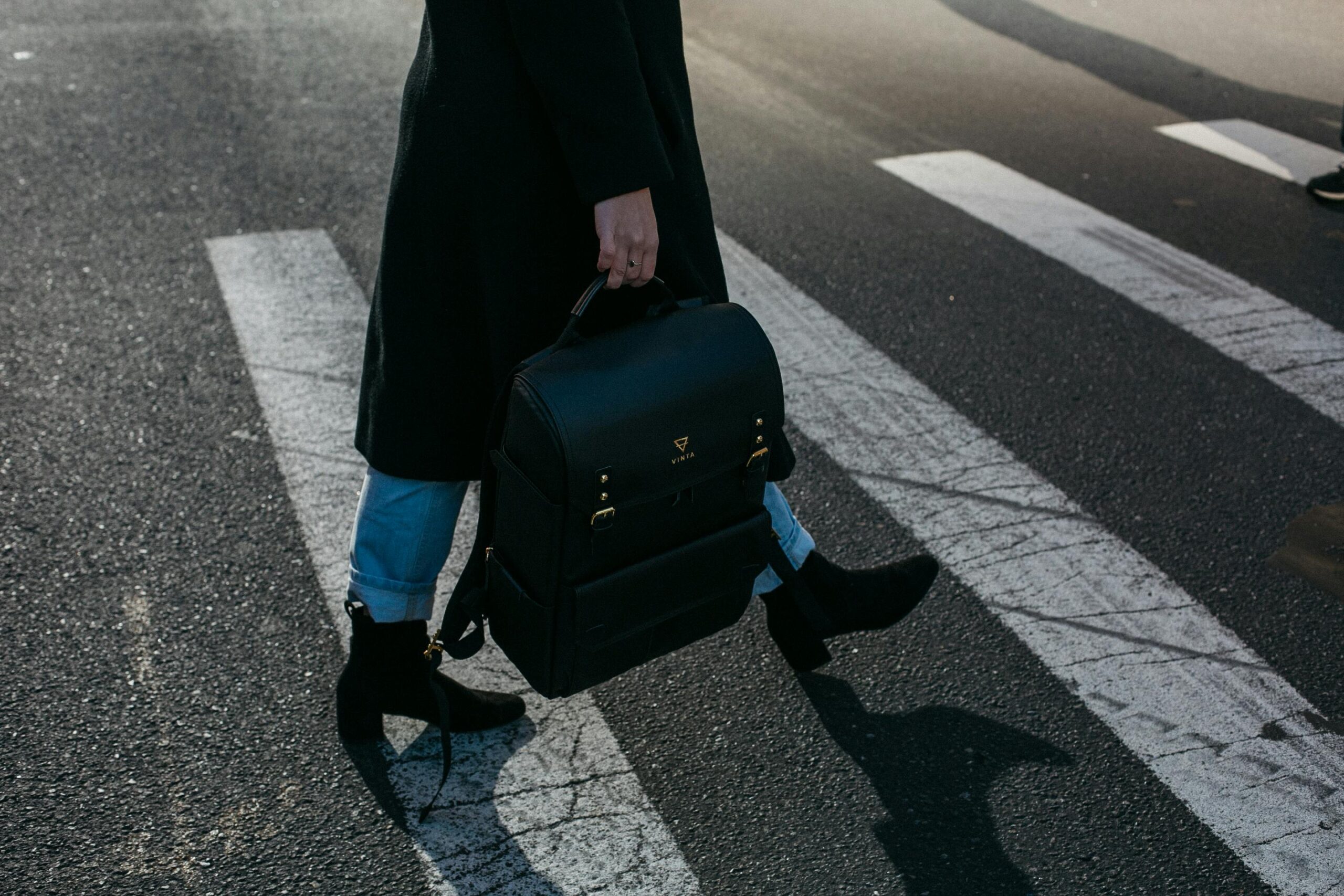
Perhaps the most empowering response to micro-trend overload is recognizing that genuine style transcends trends entirely. The most compelling, memorable fashion has always come from individuals developing distinctive personal aesthetics rather than following prescribed formulas.
This requires patience and experimentation—qualities that seem scarce in our instant-gratification culture. Building authentic personal style means trying things, making mistakes, discovering what genuinely resonates rather than what’s algorithmically popular. It means accepting that your wardrobe won’t always look like the trending aesthetic of the moment, and finding peace with that reality.
The irony is that many of the most influential style icons—both historical and contemporary—achieved their status precisely by ignoring trends in favor of consistent personal expression. Their looks remain referenced and admired long after countless micro-trends have been forgotten.
As we navigate this era of endless trends and constant fashion noise, perhaps the most radical act is simply slowing down. Taking time to understand what we actually like, what serves our lives, and what aligns with our values offers liberation from the exhausting cycle of micro-trend overload. In choosing substance over fleeting novelty, we might just rediscover what made fashion meaningful in the first place: creative self-expression, quality craftsmanship, and clothing that genuinely enhances our lives rather than cluttering them.
